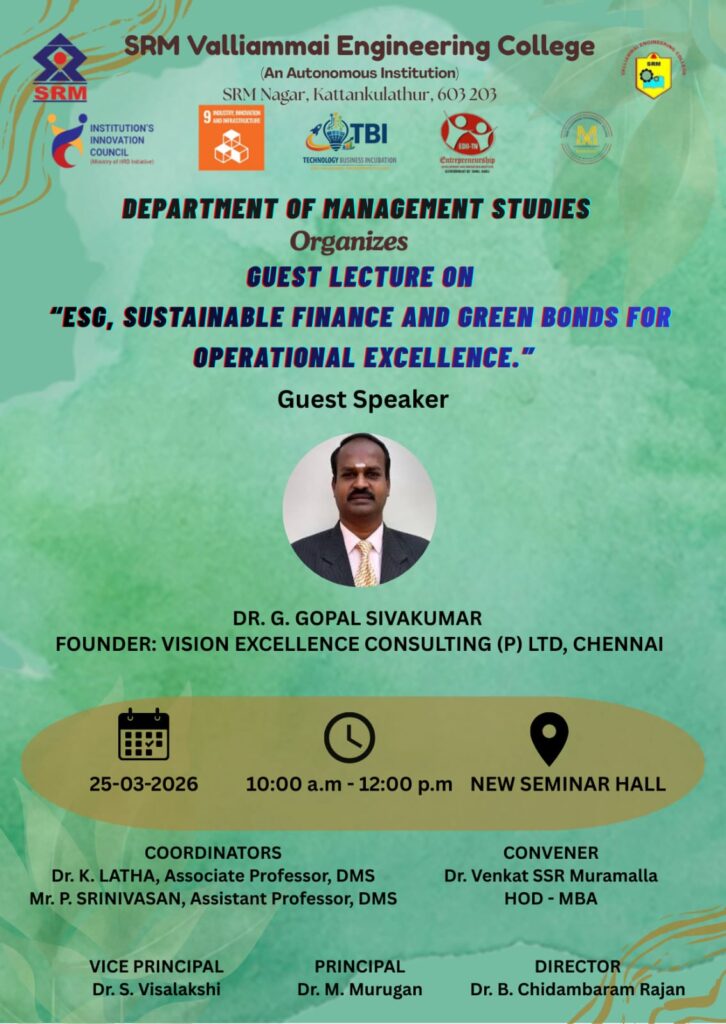
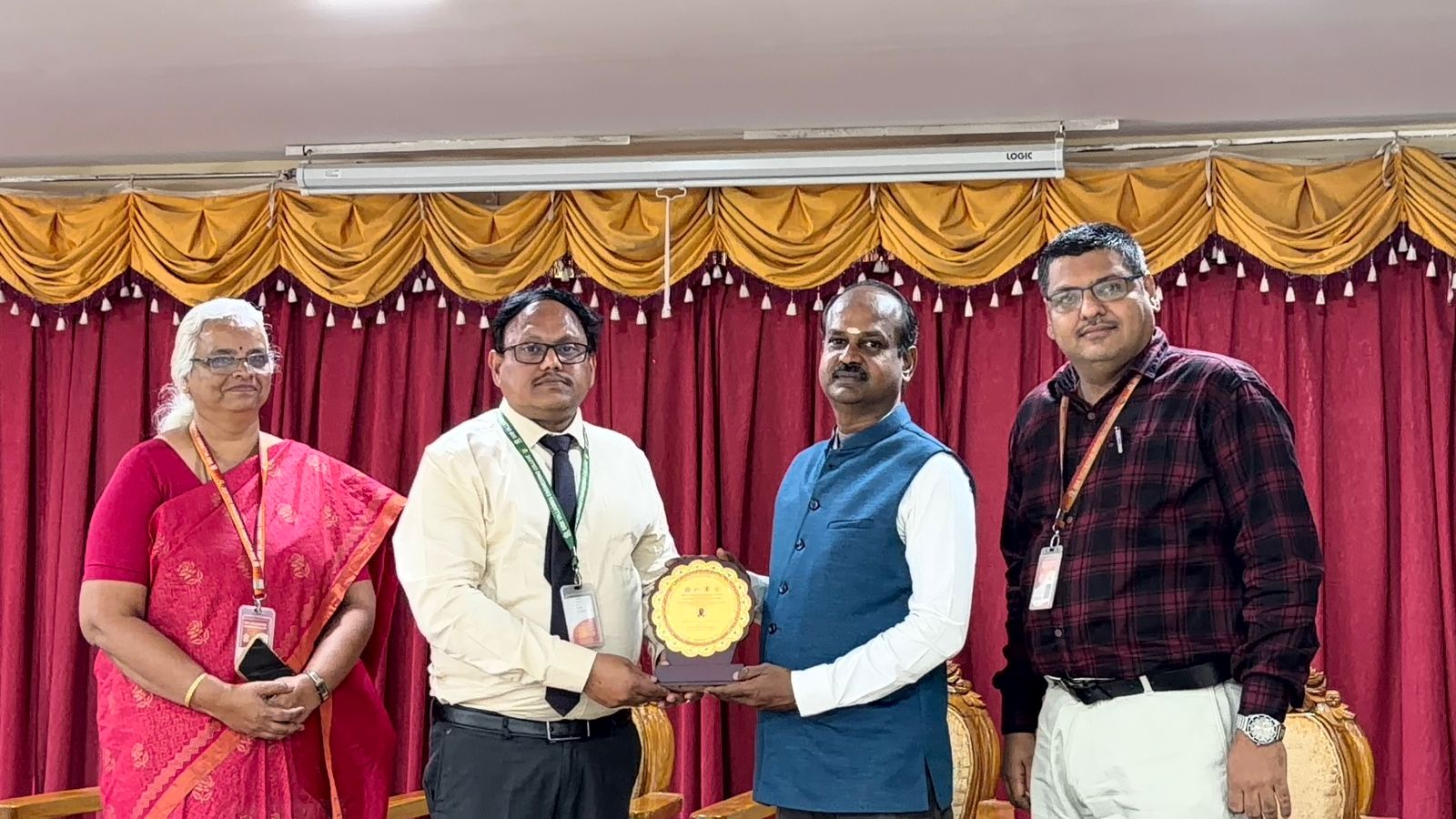
ESG, Sustainable Finance & Green Bonds Session at SRM Valliammai Engineering College
An insightful academic session by Dr. Gopal Sivakumar on building responsible industries, sustainable investments, and future-ready financial thinking.
Introduction
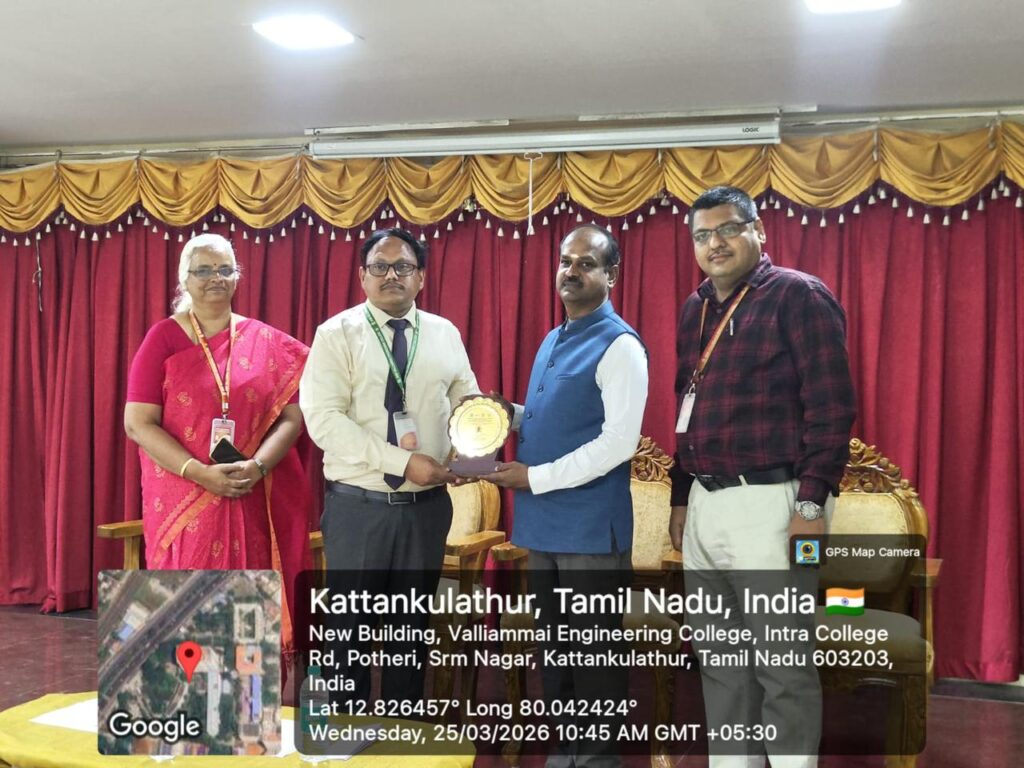
SRM Valliammai Engineering College, Kattankulathur, hosted an enriching session on ESG, Sustainable Finance and Green Bonds, conducted by Dr. Gopal Sivakumar. The session created strong awareness among students and faculty members about the growing importance of sustainability, responsible business practices, and green investment mechanisms in today’s industrial and financial environment.
The programme highlighted how modern businesses are no longer judged only by profit, but also by their impact on the environment, society and governance standards. Dr. Gopal Sivakumar explained the concepts in a practical and industry-oriented manner, connecting academic learning with real-world business applications.
Importance of ESG in Today’s World
ESG stands for Environmental, Social and Governance. It is now becoming a key framework for evaluating how responsibly an organisation operates. Companies across the world are expected to reduce environmental impact, follow ethical governance practices, improve employee welfare, and contribute positively to society.
Understanding Sustainable Finance
Sustainable finance focuses on directing capital towards projects and businesses that support environmental protection, social development and responsible governance. Dr. Gopal Sivakumar explained how banks, investors and financial institutions are increasingly considering ESG performance before funding companies or projects.
This shift is creating new opportunities for industries that adopt cleaner technologies, reduce carbon emissions, manage resources efficiently and maintain transparent governance systems.
Green Bonds: Financing a Cleaner Future
One of the major highlights of the session was the discussion on Green Bonds. Green Bonds are financial instruments used to raise funds specifically for environmentally beneficial projects such as renewable energy, clean transportation, water conservation, waste management and pollution control.
Students were able to understand how Green Bonds connect finance with sustainability and how they support industries in achieving climate-conscious development.
Industry Relevance
The session strongly connected ESG and sustainable finance with current industry expectations. Manufacturing, construction, energy, automobile, IT, banking and infrastructure sectors are increasingly adopting ESG reporting and sustainability standards.
- Industries are moving towards energy-efficient operations.
- Investors prefer companies with strong ESG performance.
- Green finance is supporting renewable and low-carbon projects.
- Organisations are focusing on ethical governance and transparency.
- Future engineers and managers need ESG awareness to remain industry-ready.
Case Study Perspective
Dr. Gopal Sivakumar also encouraged participants to look at ESG through a case study approach. For example, a manufacturing company that invests in solar energy, reduces water consumption, improves worker safety and maintains transparent reporting can attract better investor confidence and improve long-term sustainability.
Such examples helped students understand that ESG is not a theoretical concept. It directly affects business decisions, project funding, operational excellence and corporate reputation.
Learning Outcomes from the Session
ESG Awareness
Participants understood the role of environmental, social and governance factors in modern business.
Finance Perspective
The session explained how sustainable finance influences investment and funding decisions.
Green Bonds
Students gained clarity on how Green Bonds support eco-friendly and climate-positive projects.
Role of Future Engineers and Professionals
The session emphasized that future engineers, managers and entrepreneurs must understand sustainability beyond technical knowledge. They should be capable of designing systems, processes and business models that are efficient, ethical and environmentally responsible.
By learning ESG concepts at the academic level, students can prepare themselves for emerging career opportunities in sustainability consulting, ESG reporting, green project management, sustainable supply chain management and responsible finance.
Conclusion
The session by Dr. Gopal Sivakumar at SRM Valliammai Engineering College, Kattankulathur, was a valuable learning experience that introduced participants to the growing importance of ESG, Sustainable Finance and Green Bonds.
The programme successfully bridged the gap between academic knowledge and industry expectations, inspiring students to think responsibly about the future of business, finance and sustainability.
Building a Sustainable Future Through Knowledge
ESG awareness, responsible finance and green innovation are no longer optional — they are essential for future-ready professionals and industries.